
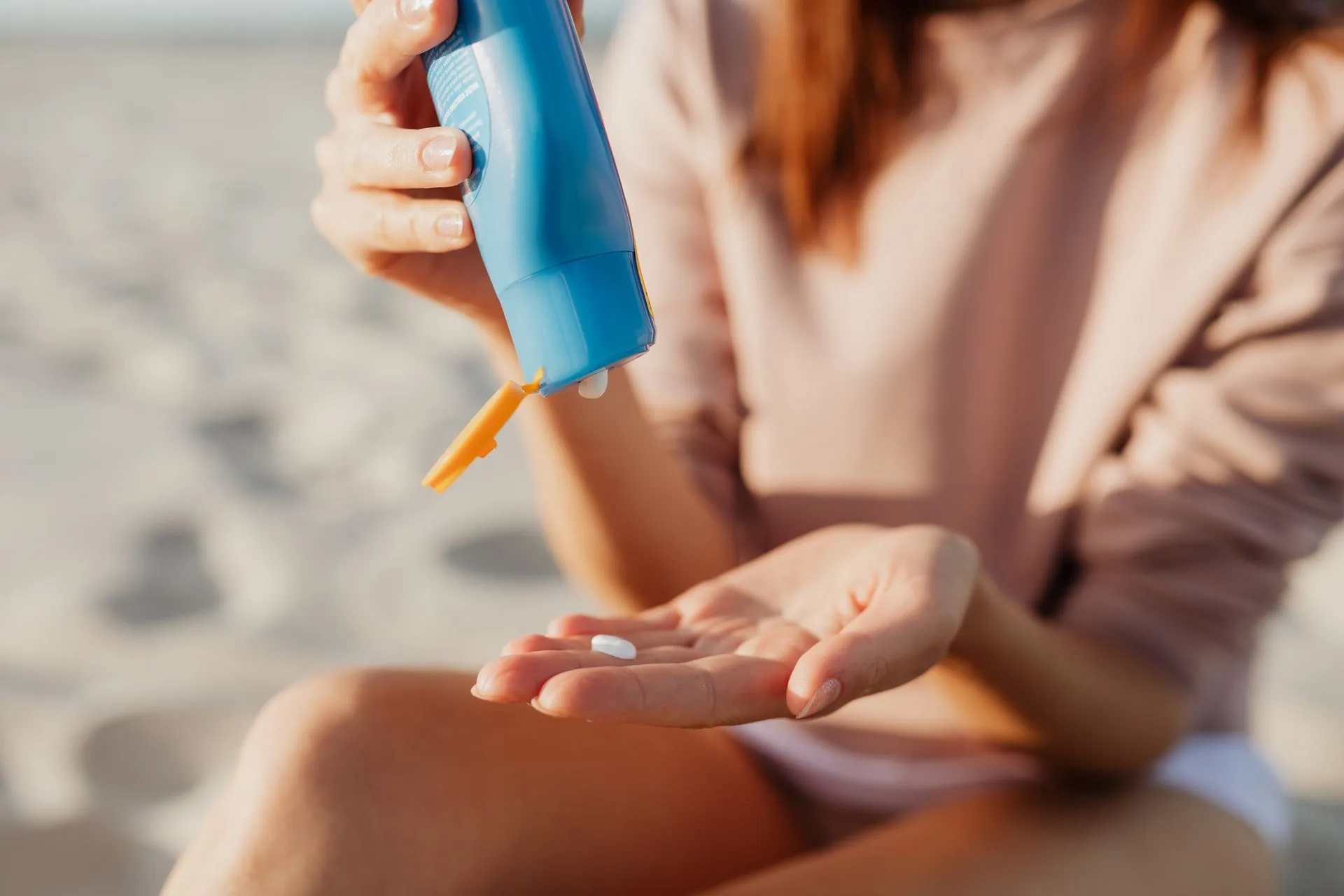
August in Toronto means one of three stains showed up on something you own this week: a sunscreen streak on a collar, a sweat ring under the arms, or a grass smudge from a backyard or the park. All three are treatable at home if you catch them early, and all three get a lot harder to fix once they’ve been through a hot dryer. Here’s what actually works, and when it’s time to stop scrubbing and bring it in.
Sunscreen stains
Sunscreen stains are oil and mineral-filter residue, which is why they show up as a yellowish, waxy patch that doesn’t rinse out with water alone. Water actually makes it worse if you rub, since it spreads the oil further into the fibres.
- Blot, don’t rub, with a dry paper towel to lift excess product first.
- Work a small amount of dish soap directly into the stain, it’s built to cut oil. Let it sit for 5 minutes.
- Rinse with cool water, checking the stain before it goes anywhere near heat.
- Wash as usual, then air dry and check again before running it through the dryer.
Heat sets oil-based stains permanently, so if the mark is still visible after a wash, don’t dry it, wash it again.
Sweat and deodorant marks

That yellowing under the arms of white shirts isn’t just sweat, it’s a reaction between sweat, deodorant aluminum, and fabric over repeated wears. Fresh marks respond well to home treatment; set-in yellowing usually needs professional stripping.
- Mix equal parts white vinegar and water, and let the fabric soak for 30–60 minutes.
- Work a paste of baking soda and water into the stain and let it sit 15 minutes.
- Wash in the warmest water the care label allows.
- Air dry and inspect before dryer heat, same rule as sunscreen.
For dress shirts you’re rotating through the office all summer, treating marks the same week they happen is the difference between a shirt that lasts and one you retire by September.
Grass stains

Grass stains are plant pigment (chlorophyll) that binds to fabric fibres, and they’re one of the few stains where rubbing alcohol beats dish soap.
- Dab the stain with rubbing alcohol on a clean cloth until it starts to lift.
- Rinse with cool water.
- Pre-treat with a stain stick or liquid detergent applied directly to the mark.
- Wash on the warmest safe setting for the fabric.
Grass stains on kids’ clothes and light-coloured fabric are the most stubborn version of this, expect to repeat the alcohol step once or twice before it fully lifts.
When to stop and bring it to a pro

DIY treatment works well on fresh stains on washable fabric. Bring it in instead of treating it yourself when:
- The garment is dry-clean only (suits, silk, structured blazers), home treatment can set the stain or damage the fabric
- The stain has already been through the dryer and is still visible
- It’s been treated once at home and hasn’t budged
- It’s on something you can’t afford to get wrong, a wedding dress, a good suit, anything with delicate trim
Once a stain’s been heat-set or it’s on a fabric that can’t handle vinegar or rubbing alcohol, at-home treatment tends to do more harm than good. That’s where professional dry cleaning earns its keep, we have solvents and stain-specific treatments that go further than what’s under your sink, without risking the fabric.
Bring it in before it sets
If you’ve got a stain from this week sitting in the laundry pile, the sooner it comes in the better the odds of getting it out completely. Both our Downtown Toronto and Scarborough locations handle stain-specific treatment on everything from everyday shirts to garments that need a gentler touch.